In recent years, skin rejuvenation has shifted from surface-level solutions to science-driven innovations. One treatment that stands out in this transformation is the Morpheus8 treatment. It’s not just a cosmetic trend—it’s a clinically validated technology that works at the cellular level to restructure skin, rebuild collagen, and deliver long-lasting results.
But what makes Morpheus8 different from other treatments you’ve heard about? To answer that, let’s break down the science, technology, and evidence behind this revolutionary procedure.
The Science of Aging Skin
Before we understand why the Morpheus8 treatment is so effective, it’s important to look at what actually happens to our skin as we age.
- Collagen Decline: Studies show that collagen production decreases by about 1% per year after the age of 25. By the time we’re in our 40s, we’ve lost up to 20–25% of our natural collagen.
- Elastin Breakdown: Elastin, which gives skin its bounce, also weakens over time.
- Fat Redistribution: Aging causes fat pads in the face to shift, leading to sagging skin.
- Surface Damage: Sun exposure, pollution, and lifestyle habits accelerate fine lines, pigmentation, and rough texture.
To reverse these changes, a treatment must go deeper than creams or facials—it must reach the structural foundation of the skin.

What Makes Morpheus8 Treatment Advanced?
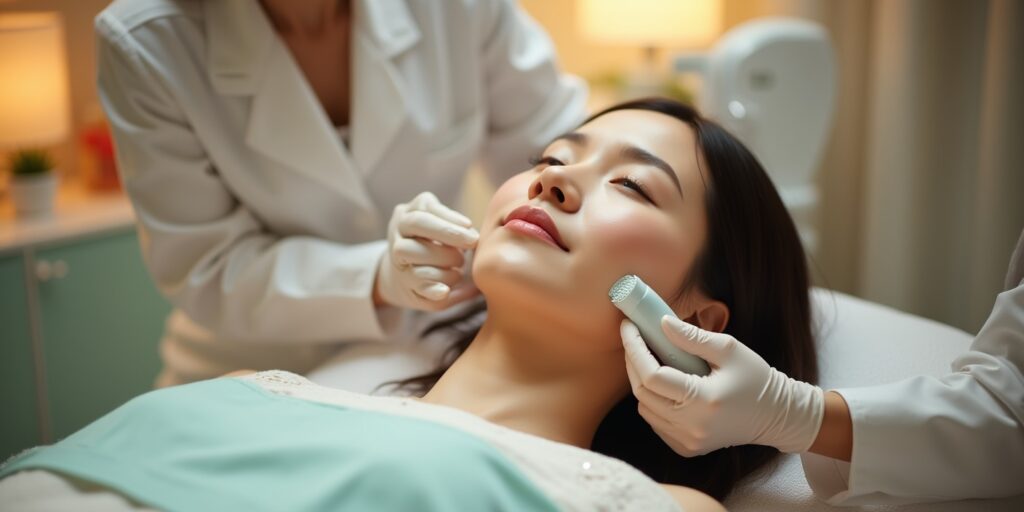
Unlike traditional microneedling or laser resurfacing, Morpheus8 treatment uses fractional radiofrequency (RF) microneedling. Here’s the key difference:
- Microneedles create micro-injuries in the skin, triggering the body’s wound-healing response.
- RF Energy penetrates through those needles deep into the dermis, generating controlled heat.
- Thermal Remodeling: This heat denatures old collagen and stimulates fibroblasts to produce new collagen and elastin.
A 2020 clinical study published in the Journal of Cosmetic Dermatology found that fractional RF microneedling produced significant improvements in skin laxity and texture, with high patient satisfaction scores after just three sessions.
Precision Matters: Adjustable Depth Technology
One of the standout features of the Morpheus8 treatment is its ability to target different skin depths. The device can reach subdermal layers up to 8mm—something traditional microneedling cannot achieve.
- Shallow Depths (1–2mm): Address fine lines, pores, and surface irregularities.
- Mid-Depths (3–4mm): Remodel collagen for firmness and elasticity.
- Deep Depths (5–8mm): Restructure fat tissue for contouring and lifting.
This precision is why dermatologists often call Morpheus8 a “non-surgical facelift.”
Research-Backed Benefits Beyond Basics
Let’s go beyond the usual “smooth skin” promises and look at what research says about Morpheus8 treatment:
Collagen Remodeling
A 2019 study in Lasers in Surgery and Medicine confirmed that fractional RF can increase Type I and Type III collagen density. These are the structural collagens that give skin firmness and youthful resilience.
Scar Reduction
Clinical trials show significant improvements in acne scarring after multiple sessions, with smoother texture and reduced depth of scars.
Skin Tightening Without Surgery
RF energy contracts connective tissue instantly while stimulating long-term collagen synthesis, mimicking some results of a facelift but without downtime.
Minimal Risk Across Skin Types
Unlike lasers, which can cause pigmentation issues in darker skin tones, Morpheus8 is safe for Fitzpatrick skin types I–VI (meaning it works across a wide range of complexions).
Subdermal Adipose Remodeling
This treatment doesn’t just work on skin—it also recontours small fat deposits in the lower face (like jowls), tightening and sculpting the jawline.
Patient Experience: What Advanced Users Report
Patients who undergo Morpheus8 treatment often describe a two-phase improvement:
- Immediate: Within days, skin feels tighter and pores look smaller due to collagen contraction.
- Progressive: Over 3–6 months, as new collagen and elastin form, skin becomes firmer, smoother, and more lifted.
In a clinical evaluation, over 90% of patients reported noticeable improvement in fine lines and facial laxity after three sessions, with results lasting 12–18 months depending on age and lifestyle.

Comparison with Other Technologies
Why not just get a laser, filler, or facelift? Here’s how Morpheus8 stacks up:
- Lasers: Great for pigmentation and surface issues but limited in skin tightening.
- Fillers: Restore volume but don’t improve skin quality or texture.
- Facelift Surgery: Delivers dramatic results but requires anesthesia, long recovery, and higher risk.
- Morpheus8 Treatment: A hybrid—non-surgical, safe, effective for both texture and tightening, with minimal downtime.
Who Should Consider It?
The Morpheus8 treatment is ideal for:
- People noticing sagging jawlines or drooping cheeks but not ready for surgery
- Those with acne scars or textural issues unresponsive to creams
- Patients in their 30s–60s looking for preventative or corrective anti-aging solutions
- Individuals with darker skin tones seeking a safe alternative to laser resurfacing
Safety and Aftercare
The procedure is FDA-approved and carries minimal risk. Most patients experience mild redness and swelling that subside within 24–72 hours. Post-care usually involves:
- Avoiding makeup for 24 hours
- Applying gentle moisturizer and sunscreen
- Skipping intense workouts for a couple of days
The results, however, continue to build over weeks—making patience part of the process.
The Essence: Redefining Beauty Through Science
The Morpheus8 treatment isn’t just another beauty trend—it’s a scientifically validated technology that works deep within the skin to restore structure, improve elasticity, and remodel tissue. By harnessing the dual power of microneedling and radiofrequency, it goes where creams, lasers, and surface treatments can’t reach.
If you’re looking for a non-surgical yet powerful way to look younger, feel more confident, and improve your skin health, Morpheus8 is more than a treatment—it’s an investment in the future of your skin.